News
My father's nickname was Telepatia.
His friends said his photographic memory bordered on telepathy: he could sleep through class and still know the answer to every question. He was a doctor. My sister is too. My grandfather was too. My godmother is too. Four of the five people closest to me are doctors.
When I was about 7 years old, I read that the brain stops developing at 25. I always wanted to be 25, convinced that at that age I would finally be smarter than my father. When I finally turned 25, he passed away. He was smarter than me.
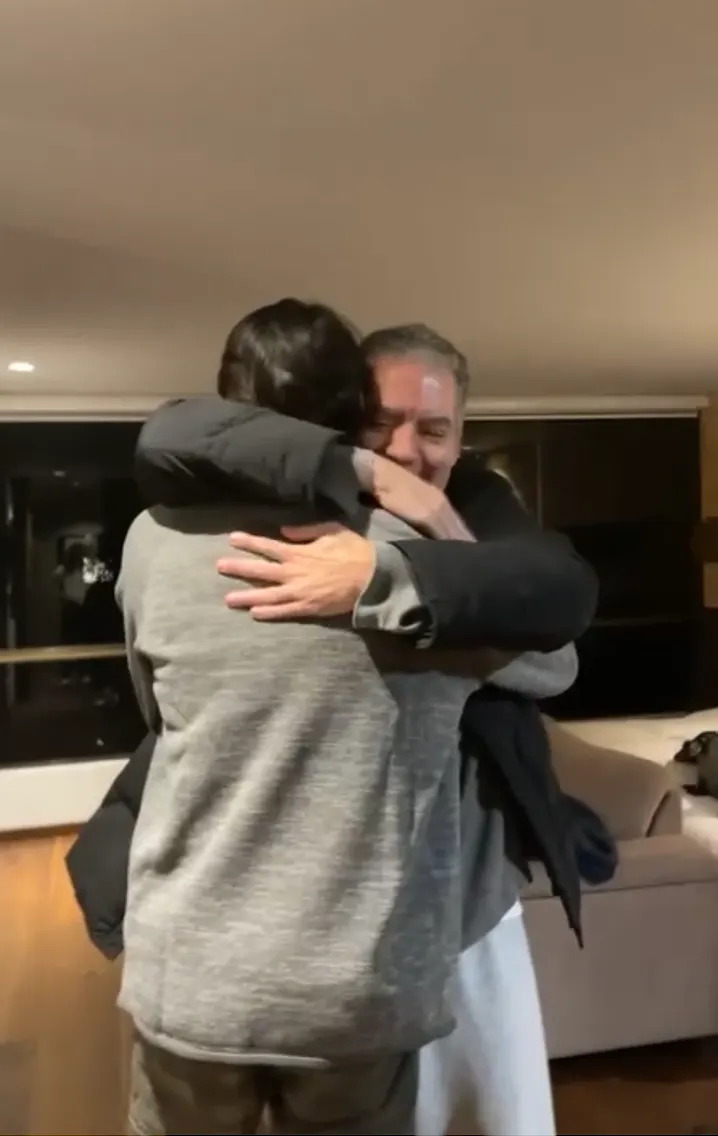
Days later, ChatGPT was launched. My first thought was: an AI Doctor could have saved my father as a patient, and he would have loved it as a doctor. He died at 58, from a death that could have been prevented.
Is a world with more doctors and nurses a better or worse world?
I believe it is objectively better.
Less than a year into the journey. 100 more years ahead.
- Less than a year after moving from Stanford to São Paulo: Telepatia's AI Doctor is operational in over 25 public and private healthcare institutions, serving more than 100,000 doctors and nurses across Latin America, including Mater Dei 🇧🇷, Fundación Santa Fe de Bogotá 🇨🇴, and many others 🇲🇽🇨🇱🇦🇷
- Telepatia identifies and helps prevent 1 in 3 medical errors before they reach the patient. As Tom, my medical co-founder, says: “medical errors are not the fault of a single doctor; they are the fault of a flawed system.”
- San Francisco, Boston, New York, Houston, London, Berlin, Madrid. Our team, 83% composed of engineers and doctors, returned to Latin America to dedicate the best years of their careers to building an AI Doctor.
- We raised $42 million, including a Series A round of $33 million led by a16z, with participation from Shyam Sankar (Palantir), David Vélez (Nubank), and Simón Borrero (Rappi). Existing investors A-Star, Abstract, Canary, Picus, and SV Angel also doubled down on their bets.
We are building an AI Doctor, and our goal is to give Latin America its first Nobel Prize in Medicine since 1984.
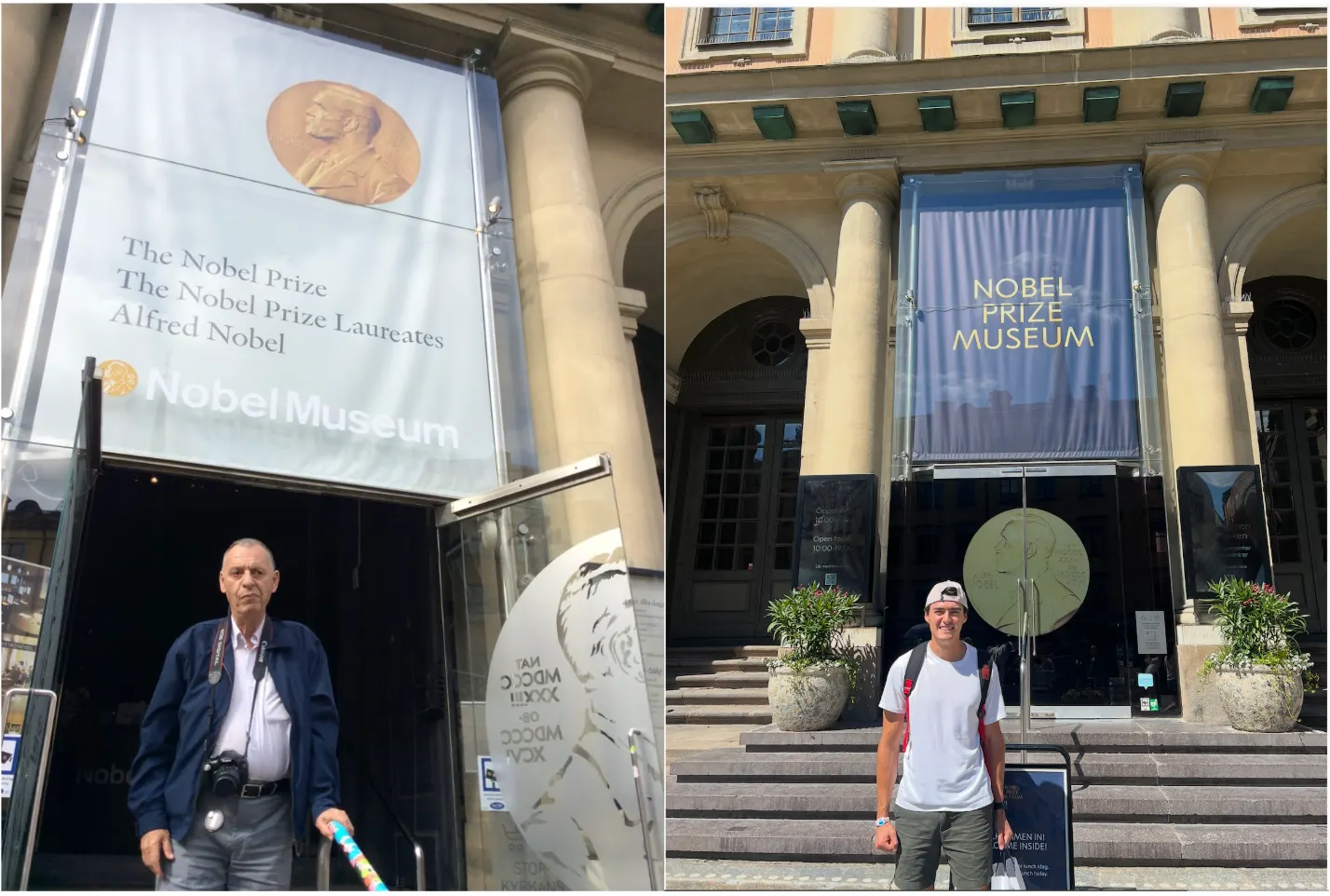
My father had a wall covered with portraits of Nobel laureates he admired: Allvar Gullstrand, an ophthalmologist like him; Ernest Hemingway; Richard Feynman. Someone once asked me what it would be like to win a Nobel Prize. I replied: to earn a spot on that wall.
- Nico